Professional Irrigation Services in Lake worth , TX Compared: The Best Options for Effective Lawn Care

Understanding Professional Irrigation Services in Lake Worth, TX
Irrigation systems are critical for maintaining the health and beauty of landscapes in Lake Worth, TX. They ensure that gardens, lawns, and agricultural plots receive the necessary moisture to thrive, especially in regions prone to drought or high temperatures. However, selecting the right type of irrigation service can often be overwhelming for property owners. When exploring options, Professional Irrigation Services in Lake worth , TX provides comprehensive insights into the best practices and solutions available.
What are Professional Irrigation Services?
Professional irrigation services encompass a range of activities designed to install, maintain, and repair irrigation systems tailored to the specific requirements of residential and commercial properties. These services can include everything from designing new irrigation layouts to servicing existing systems, ensuring they operate efficiently and effectively. Experts in this field leverage their knowledge of local climate conditions and plant types to create customized solutions that promote water conservation and enhance landscape health.
Importance of Efficient Irrigation Systems
Efficient irrigation systems play a vital role in the sustainability of landscapes, especially in arid regions like Texas. These systems can help reduce water usage while maintaining the vitality of plants. A well-designed irrigation system minimizes runoff and maximizes water absorption, which is essential for preventing water wastage. Moreover, efficient systems can translate into lower water bills, making them economically advantageous for homeowners and businesses alike. When you invest in professional irrigation services, you are not only safeguarding your landscape but also contributing to broader water conservation efforts.
Common Irrigation Problems in Lake Worth
Property owners in Lake Worth often encounter common irrigation issues, including:
- Leaky pipes leading to water loss and increased costs.
- Malfunctioning sprinkler heads causing uneven watering.
- Outdated systems that fail to meet modern efficiency standards.
- Clogged lines due to debris buildup affecting system performance.
- Improperly adjusted spray patterns, resulting in wasted water.
Addressing these problems promptly with the help of professional services ensures that your irrigation system continues to function efficiently.
Key Components of an Irrigation System
Types of Irrigation Systems Available
Irrigation systems can generally be divided into two main categories: surface irrigation and pressurized irrigation systems. Surface irrigation relies on gravity to distribute water over the landscape, while pressurized systems, such as drip and sprinkler systems, utilize pumps to deliver water more effectively. In Lake Worth, the following types of systems are commonly used:
- Drip Irrigation: Ideal for gardens and flowerbeds, this system delivers water directly to the plant roots, minimizing evaporation and runoff.
- Sprinkler Systems: These are versatile and can cover large areas, making them suitable for lawns and open spaces.
- Soaker Hoses: Best for flower gardens, soaker hoses allow water to seep directly into the soil, providing consistent moisture.
Benefits of Drip Irrigation Solutions
Implementing drip irrigation solutions comes with several benefits, including:
- Water Conservation: Drip systems use significantly less water than traditional methods by delivering it directly to the roots.
- Reduced Weed Growth: By targeting water application, drip systems limit moisture availability to weeds.
- Customized Watering: These systems can be tailored to suit different plants’ needs, ensuring optimal growth.
Understanding Sprinkler System Components
A functional sprinkler system comprises several key components:
- Sprinkler Heads: These distribute water evenly across the landscape.
- Pipes: Carry water from the source to the sprinkler heads.
- Valves: Control water flow and pressure within the system.
- Controller: Automates the watering schedule, optimizing water usage.
Understanding these components helps you manage your irrigation system more effectively.
Choosing the Right Irrigation Service Provider
Qualities to Look for in a Professional
When selecting an irrigation service provider, consider the following:
- Certifications and Experience: Ensure the provider has the necessary certifications and a proven track record in the industry.
- Customer Reviews: Look for testimonials and reviews from previous clients to gauge their satisfaction.
- Comprehensive Services: Choose a company that offers a wide range of services, from installation to maintenance and repair.
Evaluating Customer Reviews and Testimonials
Customer feedback can provide valuable insights into a company’s work ethic and reliability. Check online platforms such as Yelp or Google Reviews to read unfiltered opinions. Pay attention to patterns in ratings and specific comments about service responsiveness, quality of work, and overall satisfaction.
Questions to Ask Potential Contractors
Before hiring an irrigation service provider, ask potential contractors questions such as:
- What are your service offerings?
- Can you provide references from past clients?
- Do you offer warranties on your work?
- How do you determine the best irrigation solution for my property?
- What kind of maintenance plans do you offer?
Maintenance and Repair of Irrigation Systems
Regular Maintenance Tips for Long-lasting Systems
To prolong the lifespan of your irrigation system, implement regular maintenance practices:
- Inspect for leaks and address them promptly.
- Adjust sprinkler heads to ensure optimal coverage.
- Flush the system to remove debris and prevent clogging.
- Schedule seasonal checkups with a professional technician.
Common Repairs and Their Importance
Timely repairs are crucial to maintaining the efficiency of your irrigation system. Common repairs include fixing leaks, replacing damaged sprinkler heads, and addressing controller issues. Neglecting these repairs can lead to increased water bills and unhealthy plants.
DIY Tips vs. Professional Help
While some minor maintenance tasks can be performed as DIY projects, such as changing sprinkler heads or unclogging filters, more complex repairs, such as pipe replacements or system redesigns, should be handled by professionals. Hiring experts not only saves time but also ensures that the work complies with local regulations and industry standards.
Future Trends in Irrigation Services
Emerging Technologies in Irrigation
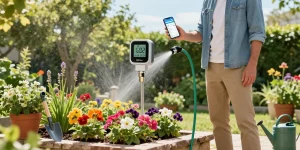
The industry is experiencing a transformation with the introduction of smart irrigation technologies. These systems use weather data and soil moisture sensors to optimize watering schedules and amounts. This advancement helps reduce water usage significantly, promoting a sustainable approach to landscaping.
Sustainability Practices in Water Conservation
As awareness of water conservation grows, irrigation companies are implementing sustainable practices. This includes using recycled water for irrigation, installing rain gardens, and incorporating native plants that require less water. By adopting these methods, property owners can maintain beautiful landscapes while minimizing their environmental impact.
Adapting to Climate Changes in Lake Worth
Climate change poses new challenges to irrigation practices. An increase in extreme weather events necessitates adaptive strategies, such as flexible irrigation systems that can adjust to changing moisture levels. This adaptability will be crucial in ensuring landscapes remain healthy and vibrant despite unpredictable climate conditions.
What are the benefits of professional irrigation services?
Professional irrigation services provide several key benefits, including expertise in system design, efficient water usage, and ongoing maintenance support, ensuring the longevity and effectiveness of your irrigation system.
How can I reduce water waste in my irrigation system?
To minimize water waste, consider implementing drip irrigation systems, regularly monitor your system for leaks, and adjust sprinkler heads to ensure optimal coverage.
What should I expect during an irrigation system installation?
During installation, you can expect a thorough assessment of your property, recommendations for the best irrigation system, and a detailed explanation of the installation process, which typically includes digging trenches for pipes and installing sprinkler heads.
How often should I schedule maintenance for my irrigation system?
It is advisable to schedule maintenance checks at least once a year, ideally before the start of the watering season, to ensure everything is functioning properly.
Can irrigation systems affect the health of my plants?
Yes, improperly managed irrigation systems can lead to overwatering or underwatering, both of which can stress plants and lead to diseases or poor growth.