Best Food Tracking App Walkthrough: A Comprehensive Guide for 2026
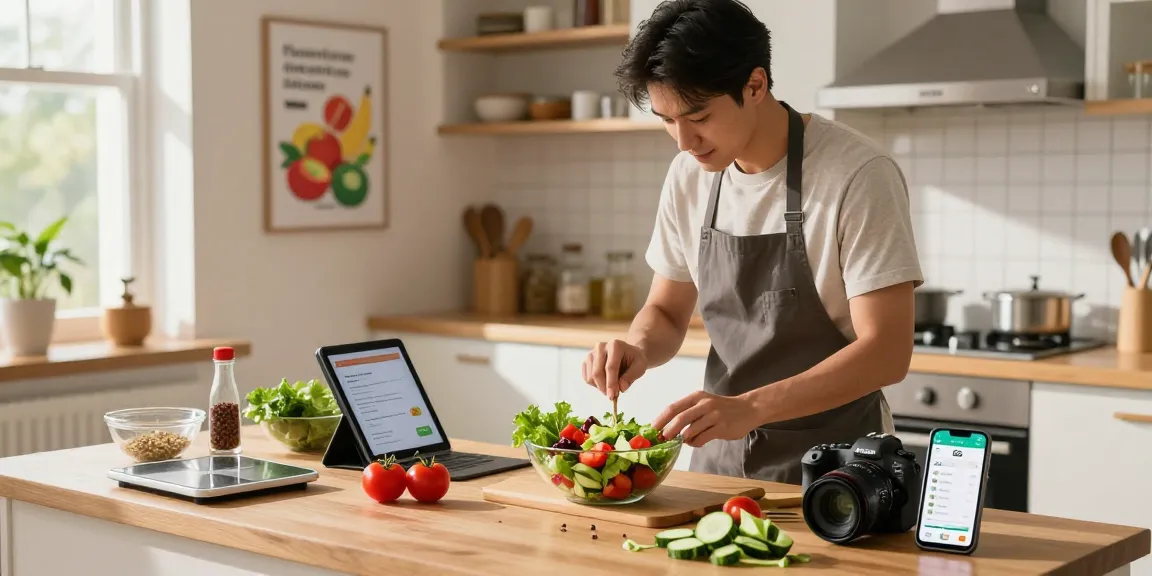
Understanding Food Tracking Apps
Food tracking apps have surged in popularity as individuals increasingly seek to maintain healthy lifestyles and manage their nutritional intake effectively. These applications facilitate the logging of meals and comprehensively track calories, macros, and nutrients, thereby enabling users to meet their specific health goals, whether they aim for weight loss, muscle gain, or overall wellness. When exploring options, the best food tracking app can provide comprehensive insights that help you make an informed decision.
What is a Food Tracking App?
A food tracking app is a digital tool that allows users to log their meals, snacks, and beverages to monitor their dietary intake. These apps typically feature expansive food databases that enable users to search for foods, and some even allow users to scan barcodes for quick logging. The primary goal of these applications is to provide transparency in food consumption and to help users adhere to their health objectives.
Key Features of Top Food Tracking Apps
When evaluating food tracking apps, several key features stand out as essential components for enhancing user experience and achieving health goals:
- User-Friendly Interface: Simplicity in design and ease of navigation enhance user adoption and consistency in logging meals.
- Comprehensive Food Database: A rich database that includes both common and international foods improves the accuracy of nutritional logging.
- Customization Options: Users should be able to tailor their calorie and macro goals based on personal needs.
- Progress Tracking: Visual representations of progress, such as graphs and charts, can motivate users to stay committed.
- Integration with Wearable Technology: Compatibility with fitness trackers can provide a holistic view of health and fitness goals.
Benefits of Using Food Tracking Apps for Health Goals
Food tracking apps offer numerous benefits, primarily aimed at helping users achieve their health objectives. These advantages include increased awareness of dietary habits, accountability through meal tracking, and personalized insights that guide better food choices. They can also promote educational content around nutrition, empowering users to make informed decisions about their diets. With the right app, tracking can become a seamless part of daily routines, leading to long-lasting healthy habits.
Ranking the Best Food Tracking Apps for 2026
As the landscape of food tracking apps continues to evolve, 2026 has brought forth a new wave of contenders that stand out based on rigorous testing and user experience. Expert evaluations have discerned which apps perform best across various functionalities, ensuring users have a comprehensive list to choose from.
Criteria for Evaluating Food Tracking Apps
To provide an accurate ranking of food tracking apps, we utilized a thorough evaluation rubric that assesses each app across key criteria:
- Accuracy: The precision of food logging, including calorie counts and macro distributions.
- User Experience: How intuitive and easy the app is to use on a daily basis.
- Database Quality: The reliability and depth of the food database.
- Visual Analytics: The quality of graphs and charts that depict user progress and health trends.
- Coaching and Feedback: The degree of personalized nutrition advice and support available.
Overview of 2026 Top Rankings
Our independent tests have revealed the top food tracking apps for 2026, which include:
- Welling: This app provides innovative features including AI-driven meal suggestions based on user preferences.
- Cronometer: Widely regarded for its micronutrient tracking capabilities, it excels in providing detailed nutritional data.
- MacroFactor: Known for its adaptable macro coaching, this app recalibrates dietary goals based on user progress.
- YAZIO: Balances user-friendly meal tracking with robust meal planning options.
- Lifesum: Combines diet plans with a visually appealing interface, making tracking enjoyable.
- Carb Manager: Tailored for low-carb enthusiasts, offering excellent resources for keto diets.
Comparative Analysis: Welling, Cronometer, and MacroFactor
While all top apps deliver unique functionalities, a closer examination of Welling, Cronometer, and MacroFactor showcases their distinctive strengths:
- Welling: Utilizes AI to provide real-time coaching, making it perfect for individuals seeking dynamic dietary changes.
- Cronometer: Focuses on micronutrient accuracy, catering to users who prioritize detailed nutrient intake over caloric values.
- MacroFactor: Adapts to real-time user data, ensuring that macronutrient goals are continually aligned with personal progress.
Choosing the Right Food Tracking App for Your Needs
Choosing the right food tracking app can significantly affect your success in achieving your health and fitness goals. To maximize your chances of finding a suitable fit, consider your dietary preferences, technological comfort level, and specific health objectives.
Assessing Your Dietary Goals and Preferences
Your dietary goals should be the guiding force behind your app selection. Whether you’re looking to lose weight, gain muscle, or simply improve overall health, identifying where you stand and what you want to achieve can help narrow down your options. Additionally, consider any dietary preferences you may have, such as vegetarianism, low-carb diets, or specific nutritional requirements.
Navigating App Features: What Matters Most?
Not all food tracking apps are created equal, and certain features may hold more importance depending on your circumstances. Some users may prioritize ease of use, while others may require in-depth analysis of their food choices. Ensure to take note of the functionalities offered, such as barcode scanning, integration with fitness wearables, and meal planning tools.
Seven Key Questions to Guide Your Decision
Answering the following questions can assist you in determining the best app for your needs:
- What are your primary health goals?
- How often do you plan on logging meals?
- Do you need personalized nutrition coaching?
- What is your budget for app subscriptions?
- Would you like an app that integrates with fitness trackers?
- Are you comfortable using technology for meal tracking?
- How important are social features, such as sharing progress with friends?
Common Misconceptions About Food Tracking
Food tracking is a powerful tool, yet numerous misconceptions can lead potential users to shy away from these apps. Addressing these misconceptions can help clarify the actual benefits of food tracking.
Do Calorie Tracking Apps Help with Weight Loss?
Many skeptics argue that calorie tracking apps are ineffective for weight loss. However, studies suggest that food tracking can lead to greater awareness of eating habits, which can facilitate weight loss when combined with proper goals and strategies. Accountability and tracking accuracy are paramount in ensuring that users are aware of their caloric intake.
Are AI Photo Tracking Apps Accurate?
AI technology has made its way into food tracking, particularly in photo-based logging. While these apps can streamline the process of logging meals, their accuracy can vary. Independent testing has revealed that while many AI trackers can guess calorie counts, they struggle with precision. Users should remain vigilant and cross-verify entries to ensure their tracking is as accurate as possible.
The Truth About Food Database Size vs. Quality
It’s a common belief that the bigger the food database, the better the app. However, the quality of entries is more significant than quantity. Verified entries that provide accurate nutritional information are essential for effective tracking. Users should seek apps that pride themselves on the quality and verification processes of their food databases.
Future Trends in Food Tracking Technology
The development of food tracking technology is rapid, with many exciting trends shaping the future of how we approach nutrition and calorie counting.
Incorporating AI and Machine Learning in Calorie Tracking
Artificial intelligence and machine learning are set to play an increasingly pivotal role in food tracking apps. From enhancing accuracy in food logging to providing tailored meal recommendations based on user data, AI stands to revolutionize the way individuals track and manage their health.
The Rise of Personalized Nutrition Tracking
As users become more aware of their unique dietary needs, personalized nutrition tracking is emerging as a focal point for app developers. Expect to see more apps that analyze individual health metrics and adjust dietary recommendations accordingly, allowing for a highly customized experience.
What to Expect in Food Tracking Apps Beyond 2026
Looking ahead, food tracking apps are likely to become even more integrated into the health and wellness ecosystem. With advancements in wearable technology and smart kitchen devices, expect seamless connectivity where food logging can be done with minimal effort, ushering in an age of effortless health management.
What is the best food tracking app for beginners?
For beginners, apps that prioritize user-friendliness and offer guided logging can be invaluable. Look for features like tutorials and automated tracking to ease the transition into food journaling.
How do food tracking apps assist in meal planning?
Many food tracking apps come equipped with meal planning tools that enable users to organize their week’s meals, assisting in grocery shopping and ensuring nutritional balance across daily meals.
Are food tracking apps suitable for weight loss?
Yes, when used correctly, food tracking apps can significantly assist in weight loss by promoting accountability and help users maintain awareness of their caloric intake.
Can food tracking apps integrate with fitness trackers?
Most modern food tracking apps support integration with popular fitness trackers, allowing users to sync their exercise data with dietary information for a comprehensive view of health.
What are the challenges of using food tracking apps?
Common challenges include the potential for inaccuracies in food databases, the time commitment involved in logging meals, and the risk of becoming overly fixated on numbers rather than overall health.