Understanding Technology: Its Influence and Applications in Modern Life
In an age where change is the only constant, the concept of Technology has increasingly shaped every aspect of our daily existence. From revolutionizing communication to redefining healthcare practices, the impact of technology on our lives cannot be overstated. This extensive exploration of technology will not only define key terms and historical developments but also delve deep into its numerous applications, implications, and the challenges that arise in an increasingly digital world.
What is Technology?
Defining the Concept
Technology can be broadly defined as the application of scientific and mathematical knowledge to develop tools, processes, and systems that improve human life. It encompasses various disciplines, from engineering and information technology to biotechnology and environmental science. At its core, technology is about leveraging knowledge for practical purposes, whether that means building a bridge, coding software, or manufacturing medical devices. The term itself derives from the Greek word 'techne,' which means art, skill, or craft, highlighting the creativity inherent to innovation and design.
Historical Development
The history of technology dates back to ancient civilizations, where simple tools like the wheel and lever emerged. Over the centuries, technological advancements have been pivotal to human progress, marking distinct eras such as the Agricultural Revolution, the Industrial Revolution, and the Digital Age. Each of these periods featured transformations in manufacturing, communication, and transportation, highlighting humanity's constant drive to enhance productivity and quality of life. Today, we stand on the verge of a new epoch marked by Artificial Intelligence, machine learning, and blockchain technology, underscoring rapid advancements that define our current landscape.
Types of Technology
Technology can be classified into several categories:
- Information Technology (IT): Involves managing and processing information through computers and telecommunications.
- Medical Technology: Encompasses tools and systems that facilitate enhanced patient care and medical research.
- Environmental Technology: Focuses on sustainable practices and innovations designed to protect the environment.
- Biotechnology: Uses biological processes for the development of products and technologies in various fields, including medicine and agriculture.
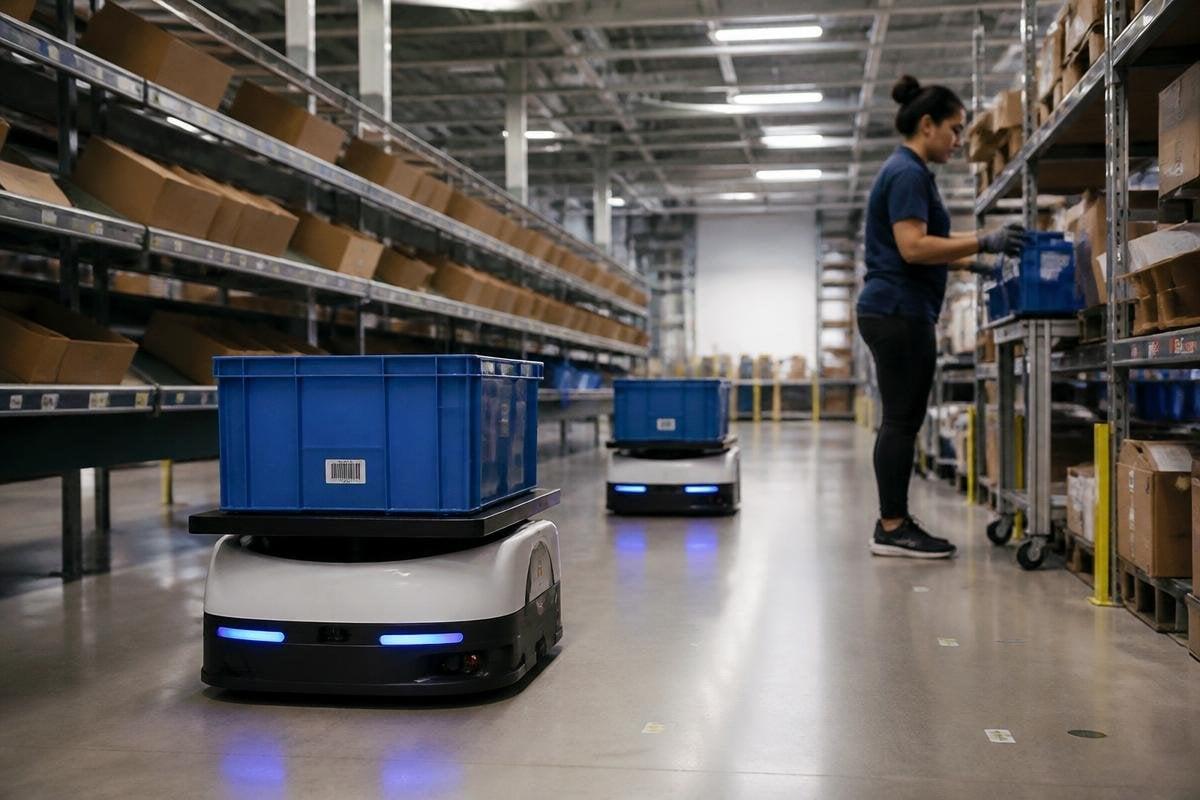
- Manufacturing Technology: Encompasses processes and systems that produce goods at scale, integrating robotics and automation.
The Role of Technology in Daily Life
Enhancing Communication
Technology has profoundly transformed communication. The advent of smartphones, social media platforms, and instant messaging applications enables individuals to connect globally in real time. This instantaneous flow of information facilitates both personal connections and professional collaborations, creating opportunities that were previously unimaginable. Video conferencing tools enable remote work, breaking geographical barriers and fostering a more interconnected world.
Impact on Education
In educational settings, technology has revolutionized pedagogy and learning environments. Online courses, teleconferencing platforms, and digital learning resources allow students to access materials anywhere, fostering a culture of continuous learning. Tools such as adaptive learning technologies personalize the educational experience, catering to individual student needs. Furthermore, virtual reality (VR) and augmented reality (AR) applications are beginning to be utilized for immersive learning experiences in classrooms.
Transforming Health Care
Healthcare technology brings forth remarkable advancements, improving patient outcomes and streamlining processes. Telemedicine enables healthcare professionals to consult patients remotely, which is particularly vital during crises like pandemics. Advanced diagnostics and treatment technologies, including wearable devices and AI-driven algorithms, empower patients to monitor their health proactively. Moreover, electronic health records facilitate better patient management and data sharing among professionals, enhancing the overall quality of care.
Technological Advancements and Their Implications
Emerging Technologies
With rapid innovations, several emerging technologies are set to shape our future. Artificial Intelligence (AI) is at the forefront, evolving to perform tasks traditionally requiring human intelligence. Machine learning and neural networks unlock insights from vast datasets, driving efficiencies across industries. Similarly, advancements in robotics are enabling automation of mundane tasks, thereby leaving more complex functions to human experts. Other notable technologies include quantum computing, which has the potential to revolutionize data processing capabilities, and biotechnology, which is paving the way for groundbreaking medical treatments.
Societal Changes Due to Technology
While technology enhances our lives, it also precipitates significant societal shifts. The workforce landscape has evolved, with automation threatening traditional jobs while simultaneously creating new career opportunities in tech-driven industries. This shift intensifies the demand for skills, urging educational institutions and governments to adapt curricula and workforce development programs to meet changing job requirements. Additionally, the rise of digital economies gives rise to new business models, altering the consumer experience and influencing consumption behavior.
Ethical Considerations
The rapid integration of technology into society raises essential ethical questions. Privacy concerns loom large, particularly with the prevalence of data collection and surveillance. Cybersecurity becomes paramount as personal and sensitive information risks exposure. Additionally, the implications of AI—such as bias in algorithms, accountability, and transparency in decision-making—necessitate a thorough examination of ethical standards. Thoughtful regulation will be necessary to ensure technology serves humanity without compromising human rights or dignity.
Challenges and Limitations of Technology
Digital Divide Issues
The digital divide represents a significant challenge in the global embrace of technology. Disparities in access to technology disproportionately affect marginalized communities, perpetuating inequality in education and employment opportunities. Bridging this gap requires collaborative efforts from governments, corporations, and NGOs to provide access to devices and internet connectivity, especially in underserved regions. Education in digital literacy must be prioritized to empower individuals with the skills needed to navigate an increasingly digital world.
Environmental Impact
The environmental impact of technology is a double-edged sword. While technology has the potential to promote sustainability through innovations such as renewable energy sources and waste-reducing manufacturing practices, it also contributes to environmental concerns. Electronic waste management and the carbon footprint of tech production processes pose significant challenges. Embracing circular economy principles and climate-friendly technologies is essential to mitigate these environmental repercussions while fostering innovation.
Health Concerns
As reliance on technology grows, so do health-related concerns. The ubiquitous use of screens can lead to eye strain, disrupted sleep patterns, and decreased physical activity, contributing to a range of health issues. Mental health also comes into play, with social media often linked to anxiety and depression. Awareness campaigns promoting balanced technology use, alongside initiatives to integrate physical activity into daily routines, are essential strategies for promoting well-being in a technology-saturated world.
The Future of Technology
Predictions for the Next Decade
Looking ahead, the next decade promises unprecedented technological advancements across various fields. The proliferation of 5G technology will enhance connectivity, enabling smarter cities and real-time data analysis. Autonomy in transportation, with developments in self-driving vehicles, is poised to transform urban mobility. Furthermore, as quantum computing breaks new ground, it may revolutionize sectors such as cryptography and pharmaceuticals by enabling complex problem-solving at previously unimaginable speeds.
Future Trends in Technology
Several trends are expected to dominate the technological landscape moving forward. Artificial Intelligence will continue to advance, embedding intelligence into not just machines but also everyday products. The Internet of Things (IoT) will expand the horizons of home automation and smart device integration, creating a more connected living environment. Additionally, sustainability-driven innovations, including green technology solutions and carbon-neutral advancements, will take center stage as society confronts urgent climate challenges.
Preparing for Technological Changes
To successfully navigate the future of technology, individuals, organizations, and governments need proactive strategies. Continuous learning and skills development will be crucial for workforce adaptability in the face of evolving job markets. Emphasizing STEM (Science, Technology, Engineering, and Mathematics) education will prepare the next generation for the technological landscape. Finally, promoting policies that advocate for equitable access to technology can help ensure that society collectively benefits from technological advancements.
As we embrace these changes, it is imperative to remain critical and thoughtful about the role that technology plays in shaping our lives. Striking a balance between innovation and ethical responsibility will ultimately determine how we harness technology for the betterment of humanity.