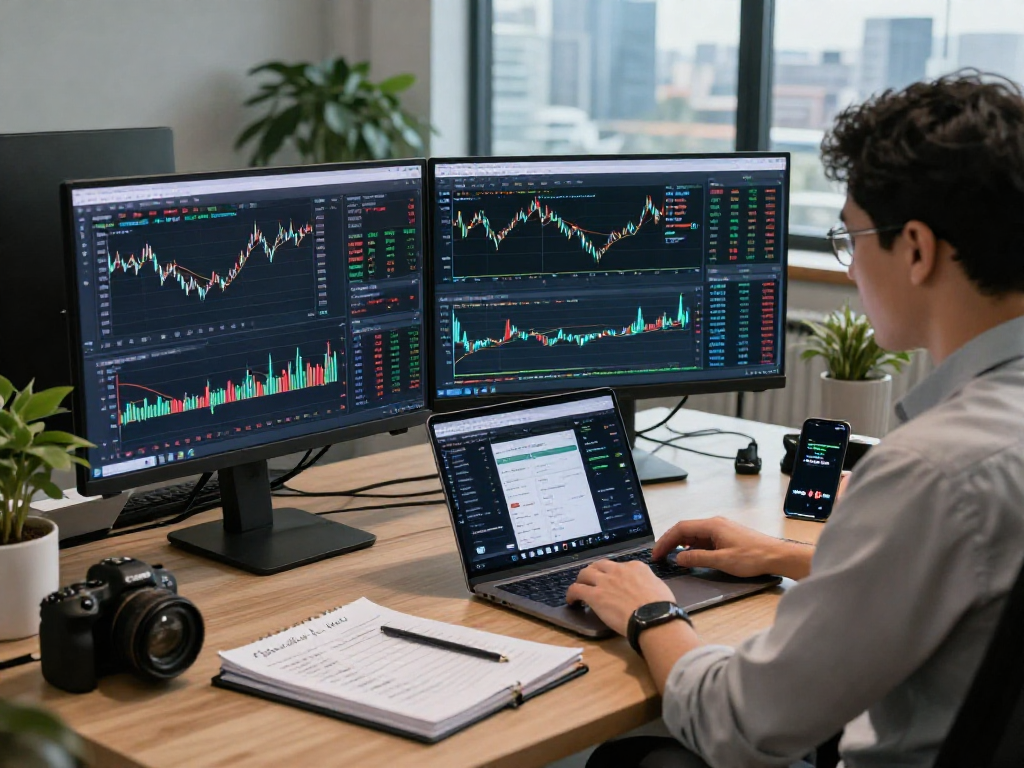
Understanding TradingView: Features and Functionalities
In the fast-paced world of trading, having a reliable platform is essential for both novice and experienced traders. TradingView has emerged as a powerful solution, offering a comprehensive suite of tools that cater to a wide range of trading needs. This platform not only enables users to analyze market data effectively but also provides community engagement that fosters sharing of ideas and strategies. When exploring options, TradingView provides comprehensive insights that can enhance your trading experience.
What is TradingView and Why Use It?
TradingView is a social network and financial analysis platform designed specifically for traders and investors. It allows users to create and customize charts, perform technical analysis, and share their trading ideas with a vibrant community. The platform's user-friendly interface, combined with robust functionalities, has made it a go-to choice for millions of users worldwide. The reasons to use TradingView include:
- Accessibility: Available on multiple devices including web browsers, Windows, macOS, and mobile apps.
- Community Engagement: Users can interact, share analyses, and learn from each other.
- Comprehensive Tools: Includes everything from charts to alerts, making it a one-stop-shop for traders.
Key Features of TradingView for Traders
TradingView is packed with features that simplify the trading process. Some of the key functionalities include:
- Multi-Layout Supercharts: Users can view multiple charts simultaneously, allowing for better analysis of different markets.
- Advanced Screening Tools: The platform offers stock and crypto screeners that enable traders to filter assets based on various parameters.
- Price and Indicator Alerts: Users can set up alerts for price movements or technical indicator signals.
- Economic Calendar: Stay updated with important economic events that could impact trading.
How TradingView Integrates with Other Tools
Integration is a significant benefit with TradingView. Users can connect their brokerage accounts to execute trades directly from the platform, enhancing the trading workflow. Furthermore, TradingView supports integration with various other trading tools and platforms, allowing for a seamless experience. For instance, users can leverage API connections to improve their strategies and automation directly within their TradingView workspace.
Creating Effective Trading Strategies on TradingView
To maximize the potential of TradingView, establishing a well-structured trading strategy is crucial. Here’s how you can effectively set up and utilize TradingView for strategy development.
Setting Up Your TradingView Workspace
Configuring your TradingView workspace is the first step toward a successful trading experience. Choose layouts that suit your analysis style, whether you prefer traditional chart views or more intricate setups. It’s essential to customize your toolbars and indicators to reflect the strategies you employ.
Utilizing Technical Analysis with TradingView
Technical analysis is a critical component of trading. TradingView offers various indicators and drawing tools that can be overlaid on charts. Popular indicators include:
- Moving Averages
- Relative Strength Index (RSI)
- Bollinger Bands
By mastering these tools, traders can make informed decisions based on market trends and historical data.
Backtesting Strategies Using TradingView's Tools
One of the standout features of TradingView is its backtesting capability. Traders can test their strategies against historical data to evaluate their potential effectiveness. The Strategy Tester feature allows users to assess various parameters, including win rates and risk-reward ratios, before applying them in live markets, ensuring that they have a solid plan in place.
Market Insights: Stocks, Forex, and Cryptocurrencies
Understanding market dynamics is essential for developing a robust trading strategy. TradingView provides valuable insights across various asset classes, including stocks, forex, and cryptocurrencies.
Analyzing Stock Market Trends with TradingView
For stock traders, TradingView offers a plethora of tools to analyze market trends. The platform allows users to filter stocks based on performance, volume, and other financial metrics. Utilizing community-generated ideas can significantly enhance stock selection and market timing.
Exploring Forex Trading Opportunities
The forex market is known for its volatility, and TradingView equips traders with the necessary tools to capitalize on price movements. Users can analyze currency pairs using real-time charts, economic indicators, and global news to make educated trading decisions.
Understanding Cryptocurrency Volatility on TradingView
Cryptocurrencies have gained immense popularity, and TradingView serves as a critical platform for tracking their turbulent movements. Traders can utilize specific cryptocurrencies screens, trend analysis tools, and community insights to effectively navigate this volatile market.
Engaging with the Trading Community
A significant advantage of TradingView is its strong community support. Engaging with fellow traders can provide invaluable perspectives and insights.
Joining Trading Communities on TradingView
TradingView hosts numerous communities where users can discuss strategies, share analyses, and ask questions. Joining these communities fosters knowledge sharing and collaboration, which are essential for personal growth in trading.
Sharing Ideas and Strategies with Peers
Traders are encouraged to publish their analyses and ideas. This sharing not only enhances the contributor's own understanding but also helps others in the community to refine their strategies. TradingView’s social features encourage discussions that can lead to better decision-making.
Learning from Professional Traders' Insights
Many seasoned traders share their insights on TradingView. By following these professionals, users can gain a deeper understanding of market mechanics, trading strategies, and risk management techniques that can significantly improve their trading outcomes.
Future Trends and Innovations in 2026
As we move toward 2026, the trading landscape continues to evolve. Understanding future trends can help traders stay ahead of the curve. Here are some predictions for what we might see in the coming years.
What’s Next for TradingView?
TradingView is set to expand its capabilities further, likely introducing innovative features that enhance user experience and trading efficiency. Continuous updates and user feedback will play a crucial role in shaping its future.
Emerging Technologies Affecting Trading Platforms
Technological advancements, including artificial intelligence and machine learning, are expected to revolutionize trading platforms. These technologies will provide traders with better predictive analytics and automated trading options, making platforms like TradingView even more powerful.
Predictions for Trading Strategies in 2026 and Beyond
As the market evolves, traders will likely shift towards more data-driven strategies. The use of comprehensive data analytics tools on platforms like TradingView will be paramount. Expect an increase in algorithmic trading and the use of social trading strategies in the near future.
Is TradingView Truly Free?
TradingView operates on a freemium model, offering basic features for free while charging for advanced functionalities. This model allows users to explore the platform before committing financially.
Can You Trust TradingView for Your Investments?
Trusting a platform with your investments is critical. TradingView has built a strong reputation for reliability and security, making it a trusted choice among traders globally.
What Makes TradingView Stand Out Among Competitors?
TradingView’s unique combination of social networking and powerful analytical tools sets it apart from other trading platforms. Its user-friendly interface and extensive feature set make it an appealing choice for a diverse audience.
How to Maximize Your TradingView Experience?
To get the most out of TradingView, users should engage with the community, continuously learn about new tools, and actively test different strategies through backtesting. By doing so, traders can refine their approaches and enhance their trading performance.