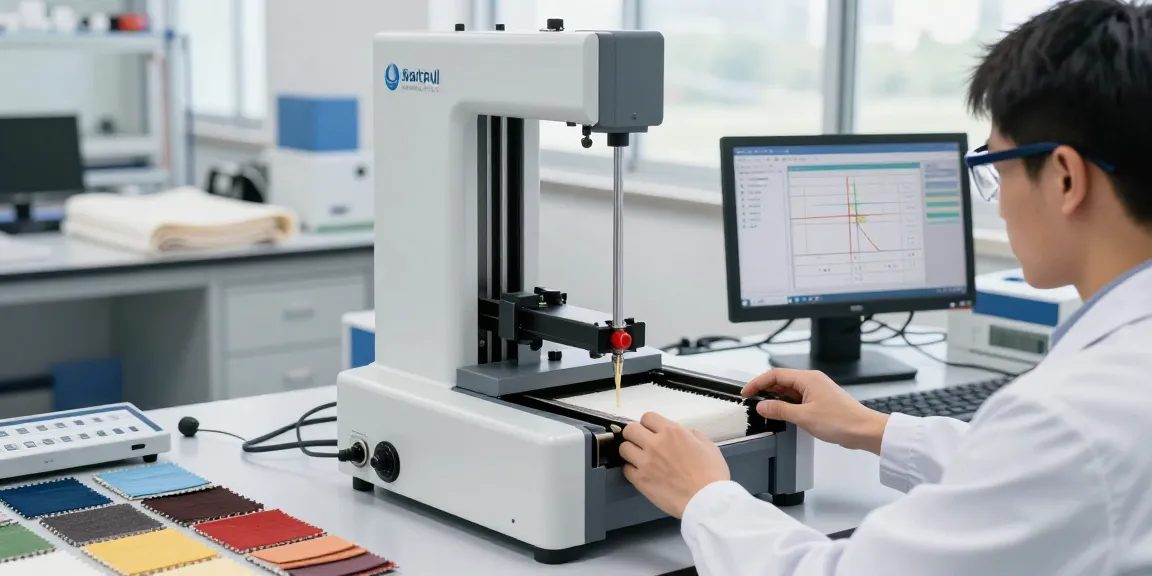
Understanding Yarn Tensile Testing Equipment
Yarn tensile testing equipment plays a crucial role in the textile industry, providing essential insights into the mechanical properties of various materials, including fabrics, yarns, and leathers. By measuring tensile strength, elongation, and other parameters, these testing machines help manufacturers ensure the durability and reliability of their products. The SmartPull Fabric Tensile Tester from ChiuVention exemplifies the state-of-the-art technology in this field, designed to meet the rigorous demands of industry standards and quality control processes. When exploring options, yarn tensile testing equipment can provide comprehensive insights into material performance.
What is Yarn Tensile Testing?
Yarn tensile testing involves evaluating the ability of a material to withstand tensile forces—forces that attempt to pull the material apart. This is achieved through a tensile strength tester that applies a controlled pulling force to a sample until it breaks. The primary metrics obtained from this testing include the maximum force (tensile strength) and the extent of elongation before failure (elongation at break). This data is vital for manufacturers to understand the performance characteristics of their materials, ensuring they meet application-specific requirements.
Importance of Measuring Tensile Strength
Measuring tensile strength is fundamental for multiple reasons:
- Quality Assurance: Consistent testing helps ensure that materials meet industry standards and customer expectations.
- Material Development: Data from tensile tests guide manufacturers in developing new products and improving existing materials.
- Safety and Compliance: Proper tensile strength assessments comply with regulatory requirements, reducing the risk of product failures in the field.
- Cost Efficiency: Understanding the strength characteristics can help in optimizing material usage, leading to cost savings.
How Yarn Tensile Testers Work
Yarn tensile testers operate by gripping a sample at both ends and applying a tensile load while measuring the force and elongation. The SmartPull Fabric Tensile Tester incorporates advanced features such as:
- AC Servo Motor: Provides precise control of the pulling speed and force, enhancing accuracy.
- Ball Screws: Ensure steady and consistent pulling force, reducing errors in measurements.
- Smart Software: Displays real-time data including tension, elongation, maximum force, and stress, allowing for comprehensive performance analysis.
Key Features of SmartPull Fabric Tensile Tester
High Accuracy and Reliability
The SmartPull Fabric Tensile Tester is engineered for high accuracy, with measurement errors reduced to within 1% thanks to its advanced components. This precision ensures that the test results are reliable, enabling manufacturers to make informed decisions based on accurate data.
User-Friendly Software Interface
Featuring an intuitive software interface, the SmartPull allows users to easily navigate through various testing options and settings. This capability streamlines the testing process, making it accessible to users with varying levels of expertise in material testing.
Safety Mechanisms and Operational Features
Safety is paramount in any testing procedure. The SmartPull includes built-in mechanisms that monitor for excessive torque and displacement, providing real-time alerts to prevent overload conditions. This protects both the equipment and the user, ensuring a safe testing environment.
Applicable Standards for Yarn Tensile Testing
International Testing Standards Overview
The SmartPull Fabric Tensile Tester complies with numerous international testing standards, including:
- ISO 13934-1 and 2
- ASTM D5034 and D5035
- ISO 3377-2
- GB/T3917.2
Adhering to these standards guarantees that the testing processes are recognized globally, which is essential for businesses that operate in international markets.
Compliance with ASTM and ISO Standards
Compliance with ASTM and ISO standards is critical for ensuring that products meet the necessary safety and performance criteria. Using certified testing equipment like the SmartPull helps companies maintain their reputation for quality and reliability.
Importance of Standardization in Testing
Standardization in testing procedures allows for uniformity in results across different laboratories and manufacturers. This consistency is vital for comparing material performance and ensuring that all products meet the same predefined criteria, ultimately enhancing consumer trust in the brand.
Real-World Applications of Yarn Tensile Testing
Industries that Utilize Tensile Testing
Various industries utilize tensile testing to ensure material performance, including:
- Textiles: For evaluating fabrics used in clothing and upholstery.
- Automotive: Testing materials for seat belts and airbags.
- Footwear: Ensuring the durability of shoe components.
- Construction: Evaluating materials used in building and infrastructure.
Case Studies on Yarn Performance Testing
Many manufacturers have seen significant improvements in quality control and product consistency through regular tensile testing. For example, a leading apparel company implemented the SmartPull Fabric Tensile Tester to routinely evaluate the tensile strength of their fabrics. As a result, they reduced product returns by 20% due to fabric breakage and enhanced their reputation for quality.
Impact on Product Development and Quality Control
By integrating tensile testing into their quality control processes, manufacturers can identify potential issues before products reach the market. This proactive approach not only safeguards the brand's reputation but also promotes innovation as companies can confidently experiment with new materials and designs.
Buying Guide for Yarn Tensile Testing Equipment
Factors to Consider Before Purchase
When selecting yarn tensile testing equipment, consider the following:
- Testing Capacity: Ensure the tester meets the required force range for your applications.
- Software Features: Look for user-friendly interfaces and advanced data analysis capabilities.
- Standard Compliance: Verify that the equipment meets relevant industry standards.
- Support and Maintenance: Consider the availability of technical support and service options.
Common Pricing Structures and Budgeting
The price of yarn tensile testing equipment can vary based on the model and features. Generally, you can expect the following price ranges:
- Entry-Level Models: Approximately $3,000 to $10,000.
- Mid-Range Models: Between $10,000 and $30,000.
- High-End Models: Over $30,000, depending on customization and advanced features.
Where to Get Quotes and Recommendations
To obtain accurate quotes for tensile testing equipment, it is advisable to contact manufacturers directly. Requesting a quote allows for clarification on specific features and can help in negotiating the best price based on your requirements.
What are the benefits of using yarn tensile testing equipment?
Utilizing yarn tensile testing equipment enhances product quality, ensures compliance with safety standards, and aids in material innovation. It also leads to better resource management and cost efficiencies by minimizing material waste.
How often should yarn tensile testing be conducted?
The frequency of yarn tensile testing largely depends on product use and regulatory requirements. Generally, it is advisable to conduct tensile tests regularly throughout the production process, especially when introducing new materials or making changes to existing formulas.
What safety precautions should be taken during testing?
Safety precautions include wearing protective gear, ensuring that the testing environment is clear of obstructions, and regularly inspecting the tensile testing equipment for wear and tear. Establishing clear operational protocols can help prevent accidents during testing.
Can yarn tensile testers accommodate different materials?
Yes, many modern yarn tensile testers are designed to accommodate a wide range of materials, including textiles, leather, and synthetic fabrics. This versatility allows for comprehensive testing across different product lines.
What are the advancements expected in testing technology by 2026?
By 2026, advancements in yarn tensile testing technology may include enhanced automation, artificial intelligence for predictive analysis, and improved data integration capabilities, allowing for real-time insights and streamlined reporting processes.