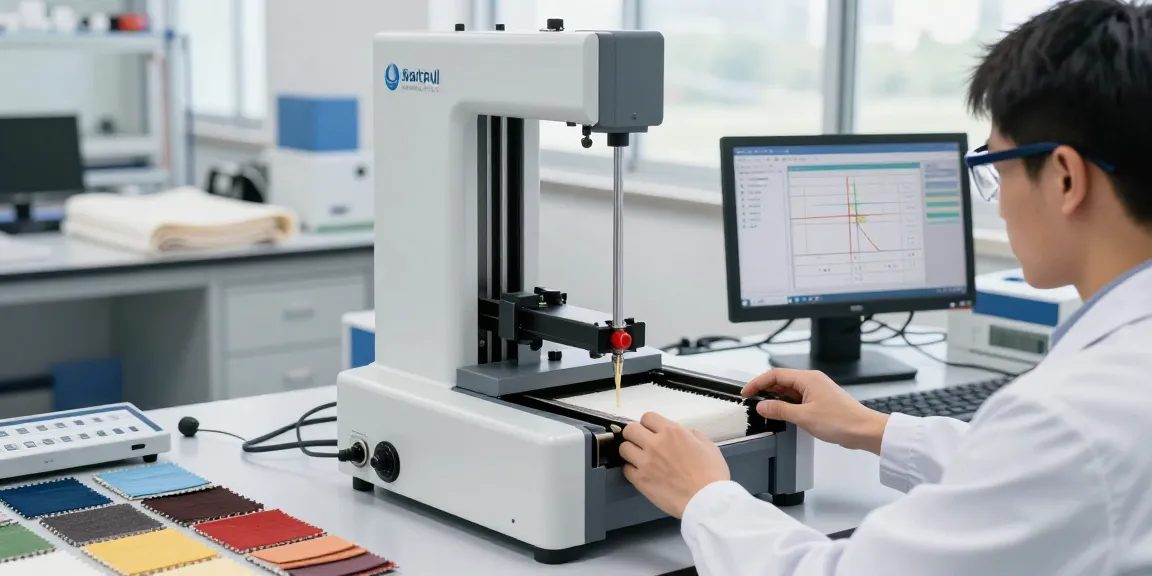
Understanding Yarn Tensile Testing Equipment
In the realm of material testing, especially in the textile and garment industries, the significance of yarn tensile testing equipment cannot be overstated. These machines are designed to determine the tensile strength and elongation properties of various types of materials, which is crucial for ensuring product durability and performance. With a focus on precise measurements and adherence to industry standards, tensile testing equipment plays an integral role in quality control and product development.
What is Yarn Tensile Testing Equipment?
Yarn tensile testing equipment comprises specialized apparatuses that evaluate the tensile properties of materials such as fabric, leather, and yarn. These machines apply a controlled pulling force to a sample until it breaks, measuring the amount of force used and the elongation of the material at the time of rupture. This information is critical for manufacturers to ensure that their products meet required performance standards and consumer expectations.
How It Works in the Casino Context
While the direct application of yarn tensile testing equipment might not seem apparent in the casino industry, its usage underscores a significant principle: quality assurance in nearly any product, including casino-related textiles like uniforms and table cloths. Understanding the durability and performance of these materials ensures that they withstand the daily stresses of a gaming environment, providing a uniform experience for players and dealers alike.
The Importance of Accurate Measurements
The accuracy of measurements in tensile testing is vital, as it correlates directly to product quality and safety. Regulatory bodies specify criteria that materials must meet, and accurately calibrated testing equipment is essential for compliance. In gambling, where customer experience can be significantly affected by the physical aspects of the environment, such as the feel and durability of carpets or dealer uniforms, the consequences of poor-quality materials can be detrimental.
Advantages of Yarn Tensile Testing Equipment
Precision in Testing for Competitive Edge
Utilizing cutting-edge yarn tensile testing equipment provides manufacturers with a competitive advantage. These devices ensure precision in testing, allowing companies to produce materials that not only comply with but exceed industry standards. This kind of rigorous testing can help businesses distinguish themselves in markets crowded with competitors.
Compliance with Industry Standards
The capability of tests to align with various international standards—such as ASTM and ISO—guarantees that products can be marketed globally without facing regulatory issues. Compliance with these standards also supports manufacturers in earning the trust of customers and builds credibility in the marketplace.
Enhanced Data for Strategic Decisions
Having access to comprehensive tensile testing data allows manufacturers to make informed strategic decisions regarding material selection and product design. By understanding the performance characteristics of materials, companies can innovate and improve their offerings, thus enhancing customer satisfaction and brand loyalty.
Choosing the Right Equipment for Your Needs
Key Features to Consider
When selecting yarn tensile testing equipment, it's essential to consider features such as load capacity, travel distance, and the capability to perform multiple tests. Some advanced testers showcase real-time data monitoring, which is invaluable for ensuring consistent quality throughout the testing process.
Price vs. Performance Analysis
The investment in yarn tensile testing equipment ranges widely based on features and capabilities. While it may be tempting to opt for lower-cost options, it’s vital to evaluate the long-term benefits of investing in higher-performance machines, which can lead to better accuracy and reliability in testing results.
Long-term Value Assessment
Beyond the initial purchase price, consider factors such as maintenance costs, durability, and the manufacturer's reputation. Reliable testing equipment may have higher upfront costs but can save more money in the long run by minimizing error rates and reducing financial risks associated with poor quality.
Customer Experiences and Testimonials
Success Stories in the Gambling Industry
Feedback from customers in the gambling industry often highlights the importance of high-quality materials in enhancing the overall gaming experience. Testimonials frequently indicate how investing in quality fabrics has improved customer satisfaction and operational longevity in casinos.
Common Feedback from Users
Users of yarn tensile testing equipment have shared common feedback about the ease of use and the accuracy of results. Many users appreciate how intuitive settings can enhance their testing routines and allow for the flexibility needed for diverse materials.
Comparative Analysis with Competitors
Comparing different brands of tensile testing equipment often reveals varying degrees of sophistication and reliability. Establishing benchmarks based on user experiences can aid potential buyers in identifying the best match for their testing needs.
Future Trends in Testing Equipment
Technological Innovations to Watch
As technology advances, testing equipment continues to evolve. Innovations such as AI integration for predictive analysis and improved user interfaces promise to enhance the effectiveness of tensile testing, making it even easier for manufacturers to ensure product quality.
Impact of Regulations on Equipment Choices
Shifting regulatory landscapes may influence manufacturers and their choices of testing equipment. Keeping abreast of these trends ensures compliance and boosts manufacturers’ capabilities to respond promptly to any changes in the legal environment.
Strategies for Staying Ahead in Testing
To maintain a competitive edge, manufacturers should invest in the latest testing technologies while staying informed about industry standards and customer preferences. Continuous improvement in testing methods will solidify a company’s reputation and outcome in the market.