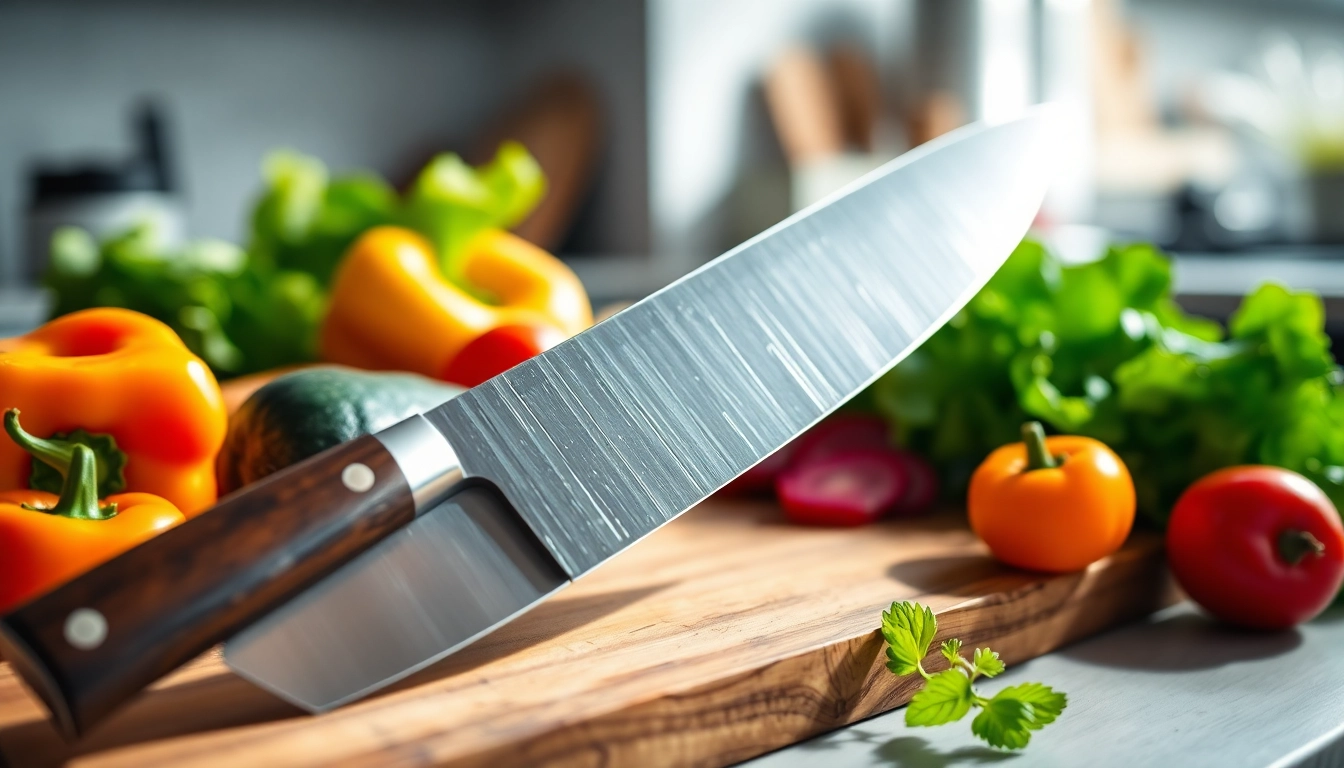
Understanding the Chef’s Knife NZ
The chef’s knife is often heralded as the most crucial tool in any kitchen, bridging the gap between amateur cooking at home and professional culinary tasks. When shopping for a chef’s knife NZ, understanding its unique features and versatility can significantly enhance your cooking experience. This article aims to delve deep into various aspects of chef’s knives, from the characteristics that make one great to the best maintenance practices that can ensure longevity.
What Makes a Great Chef’s Knife?
A great chef’s knife should exhibit a perfect blend of balance, comfort, and durability. Essential features include:
- Blade Material: The quality of the material impacts the knife's performance and lifespan.
- Weight and Balance: A well-balanced knife enhances user control and reduces fatigue.
- Comfortable Grip: Ergonomically designed handles ensure a secure and comfortable grip.
- Sharpness Retention: The knife should maintain its sharp edge through frequent use, reducing the need for frequent sharpening.
Different Styles of Chef’s Knives
Chef’s knives come in various styles, each designed for specific tasks and preferences:
- Traditional Western Style: Featuring a broader blade and a sturdy design, ideal for slicing and dicing.
- Japanese Style: Typically lighter and sharper, these knives excel in precision cutting tasks.
- Santoku Knives: A hybrid between a western and a Japanese knife, designed for versatility in the kitchen.
Materials Used in Chef’s Knives
The materials used in the blade significantly contribute to a chef’s knife’s overall performance. Some common materials include:
- Stainless Steel: Known for its resistance to rust and corrosion.
- High-Carbon Steel: Retains sharpness well, though it requires more maintenance.
- Damascus Steel: Famous for its beautiful patterns and exceptional durability, often found in high-end knives.
How to Choose the Right Chef’s Knife NZ
Selecting a chef’s knife that suits your cooking style and needs is critical. Below are key factors to consider:
Consider Your Cooking Style
Your cooking habits heavily influence the type of chef’s knife you'll need. For instance:
- Frequent vegetable prep may necessitate a lighter knife.
- Heavy-duty home cooks might prefer a robust knife that can handle tougher cuts.
Weight and Balance Preferences
There’s no one-size-fits-all for weight and balance. It’s essential to:
- Test knives in hand to find a weight that feels comfortable and balanced.
- Consider whether you prefer a heavier knife for power cuts or a lighter knife for precision work.
Blade Length Recommendations
Chef’s knives typically range from 15cm to 30cm in blade length. Recommendations include:
- 15cm: Ideal for small hands or limited kitchen space.
- 20cm: The most versatile length, suitable for most tasks.
- 30cm: Best for large hands or extensive chopping tasks.
Maintaining Your Chef’s Knife NZ
Proper Cleaning Techniques
To maintain hygiene and to prevent damage:
- Always hand wash with warm water and mild soap.
- Avoid soaking the knife or placing it in the dishwasher, as this can dull the blade.
Sharpening Methods Explained
Keeping your knife sharp is essential for safe and effective cutting. Techniques include:
- Whetstone: A traditional and effective method requiring practice but rewarding results.
- Knife Sharpener: Quick and easy, best for those who are less experienced.
- Professional Services: Ideal for valuable or delicate knives that need expert care.
Storage Options for Longevity
Proper storage can prevent damage and dulling. Consider these options:
- Knife Block: Provides safety and accessibility.
- Magnets: Wall-mounted magnetic strips keep knives visible and within reach.
- Blade Guards: Ideal for drawers, protecting the blade's edge from nicks and damage.
Common Uses of a Chef’s Knife NZ
Understanding the diverse applications of a chef’s knife can enhance your cooking repertoire:
Versatile Cutting Techniques
Mastering various cutting techniques can elevate your dishes. Techniques include:
- Chopping: Essential for vegetables and herbs.
- Slicing: Ideal for meats and bread.
- Dicing: Perfect for uniform pieces, essential in many recipes.
Food Preparation Tips
For efficient meal prep, consider these tips:
- Organize your workspace and ingredients before starting.
- Use the knife's full length for better efficiency.
Specialty Uses in Cooking
A chef’s knife can be versatile beyond standard tasks:
- Crushing garlic by using the blade’s flat side.
- Spreading soft foods like butter or cream cheese.
Frequently Asked Questions about Chef's Knife NZ
What is the best chef’s knife brand?
The best chef’s knife brands typically include well-reviewed manufacturers known for durability and precision. Consider exploring various options in your search.
How should I care for my chef’s knife NZ?
Care involves hand washing, drying immediately, and regular sharpening. Avoid dishwashers to maintain its integrity over time.
What size chef’s knife is ideal for home use?
A 20cm chef’s knife is versatile for most tasks like chopping vegetables and slicing meats, making it a solid choice for home cooks.
Can a chef’s knife be used for all cooking tasks?
Yes, a chef’s knife is designed for effective slicing, dicing, and chopping, making it an essential tool for various cooking tasks.
Is it okay to use a chef’s knife for cutting through bone?
No, a cleaver should be used for bone as it can damage the blade of a chef’s knife meant for more delicate tasks.