
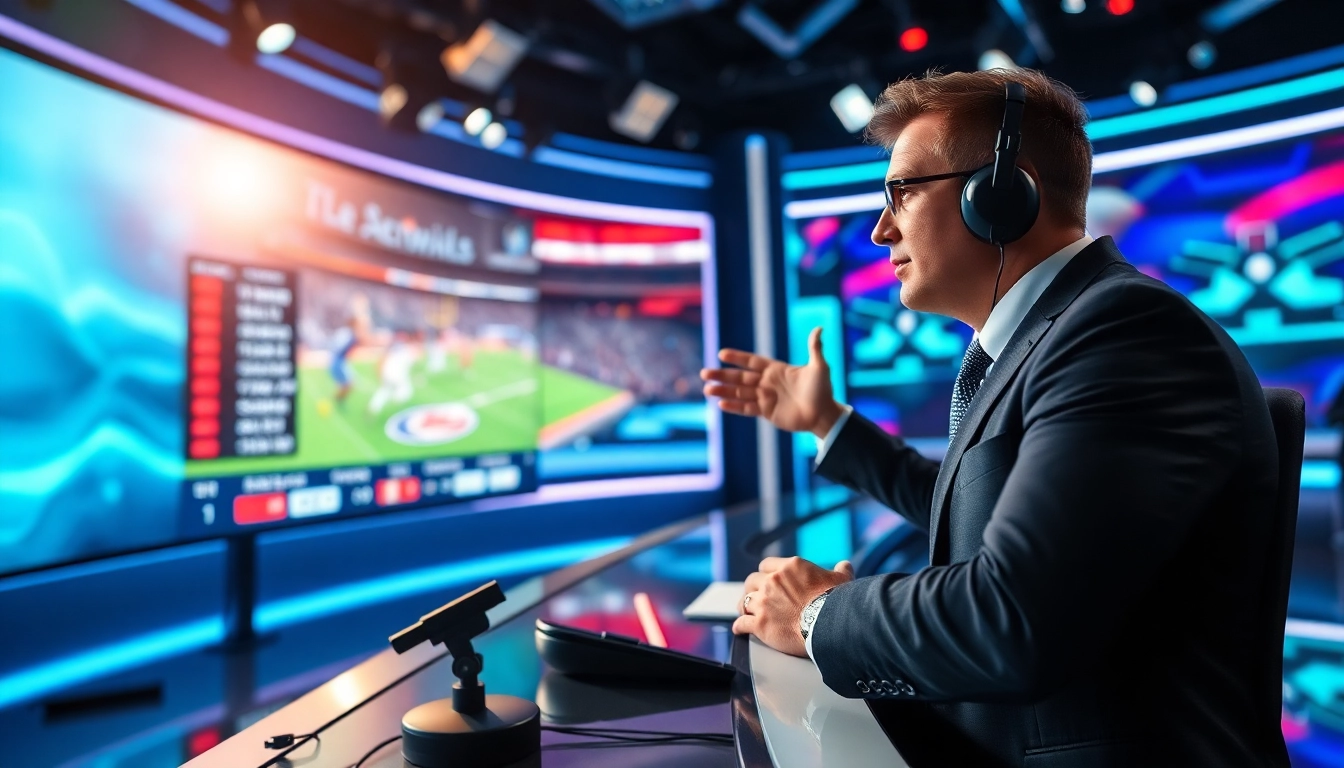
Understanding the Fundamentals of Sports Broadcasting
In today's fast-paced media landscape, Sports Broadcasting plays a crucial role in connecting fans with their favorite teams and athletes. Broadcasting not only serves as a medium for live sports events but also shapes narratives, influences fan engagement, and drives the entire sports ecosystem. Understanding the fundamentals of sports broadcasting is essential for aspiring broadcasters and enthusiasts alike.
What is Sports Broadcasting?
Sports broadcasting refers to the dissemination of live or recorded sports events via various media channels. This can include television, radio, online streaming, and mobile applications. The primary objective of sports broadcasting is to bring live sports experiences to audiences, providing them with commentary, analysis, and insights about the events unfolding. This is achieved through skilled announcers, expert analysis, and advanced production techniques that enhance viewer engagement.
The Evolution of Sports Broadcasting Techniques
The history of sports broadcasting dates back to the early 20th century with the advent of radio. The first sports broadcast occurred in 1921, featuring a boxing match, which opened the door to a new era of sports consumption. Over the decades, broadcasting transitioned to television, with the 1950s marking a significant milestone as it became a popular platform for sports.
The latest evolution in sports broadcasting comes in the form of digital platforms. The rise of the internet and social media has revolutionized how fans consume sports content, allowing for on-demand access to highlights, live-streaming of events, and interactive features that engage audiences in real-time. With advancements such as augmented reality and virtual reality, the potential for immersive viewing experiences continues to grow.
Understanding the Audience in Sports Broadcasting
A successful sports broadcaster must have a deep understanding of their audience. Different segments of the audience desire various types and styles of content. For example, older viewers might prefer the traditional format of detailed commentary and expert insights, while younger fans may gravitate towards more dynamic and visually engaging formats, such as short highlights or social media posts.
Analyzing audience demographics, preferences, and viewing habits enables broadcasters to tailor their content effectively. Surveys, audience analytics, and social media engagement metrics are indispensable tools for understanding what resonates with fans and what doesn’t.
Essential Equipment for Effective Sports Broadcasting
Key Tools and Technology in Sports Broadcasting
The right equipment is foundational for successful sports broadcasting. First, high-definition cameras and sound systems are essential for delivering quality images and audio that enhance viewer experience. Multiple camera angles can provide diverse perspectives of the action, while high-quality microphones ensure that commentary is clear and engaging.
In addition to traditional equipment, graphics systems are crucial for creating real-time statistics and information overlays that add depth to the broadcast. This technology can also be used for replays and instant analysis, which are invaluable during live events.
Choosing the Right Software for Your Broadcasting Needs
Broadcasting software can significantly influence the efficiency and quality of a sports production. Software solutions for live streaming, video editing, and broadcasting management can streamline workflows. Popular choices include OBS Studio for live streaming, Adobe Premiere Pro for editing, and Wirecast for professional broadcasting.
Choosing the right software depends on your specific requirements, budget, and team capabilities. Analyzing user reviews and testing a few platforms can help you determine the best fit for your broadcasting goals.
Best Practices for Equipment Setup
Setting up broadcasting equipment requires meticulous planning. First, ensuring that all devices are compatible and tested before the event is critical. A well-organized equipment checklist can prevent last-minute issues.
It’s also essential to consider placement. Cameras should capture optimal angles without obstruction, and sound equipment should be positioned to minimize background noise while capturing relevant audio. Conducting a dry run with the full setup before the live event can help identify and rectify any potential issues.
Creating Engaging Content in Sports Broadcasting
Tips for Developing Compelling Commentary
High-quality commentary is a cornerstone of captivating sports broadcasting. Effective broadcasters engage viewers with enthusiasm and insight. Here are some tips:
- Be Prepared: Research teams and players thoroughly. Understanding context adds depth to your commentary.
- Use Emotion: Authenticity and genuine excitement can resonate with viewers, enhancing the overall experience.
- Keep It Accessible: Avoid jargon unless necessary; the goal is clear communication that resonates with fans.
Using Visuals to Enhance the Sports Broadcasting Experience
Visual elements such as graphics, animations, and slow-motion replays significantly enhance the storytelling aspect of sports broadcasts. Integrating these visuals helps illustrate key moments, player interactions, and game statistics, thus creating a more immersive experience for the audience.
Incorporating infographics during pre-game and halftime shows can also provide viewers with critical insights in a digestible format.
The Role of Social Media in Sports Broadcasting
Social media platforms have transformed how sports content is consumed and shared. They offer broadcasters a channel to engage directly with fans and share real-time updates, highlights, and behind-the-scenes content. Leveraging platforms like Twitter, Instagram, and TikTok allows broadcasters to connect with younger audiences who favor these mediums.
Moreover, live interactions through Q&A sessions or polls during broadcasts can foster community building and keep audiences engaged throughout the event.
Navigating Challenges in Sports Broadcasting
Managing Live Broadcasts: Common Pitfalls
Live broadcasts come with inherent challenges. Technical difficulties, unexpected interruptions, and issues with guest appearances can all derail a broadcast. Preparation is key in minimizing these risks. Establishing a contingency plan, having backup equipment, and training staff on emergency protocols can make a significant difference.
Additionally, rehearsing timelines and segment transitions can help streamline the production process during live broadcasts.
Adapting to Evolving Media Regulations
Regulations surrounding broadcasting rights, content ownership, and advertising continue to evolve. Broadcasters must stay informed about applicable laws and standards to navigate potential legal challenges. Regular training and updates for the broadcasting team regarding compliance can prevent costly issues down the line.
Dealing with Technical Issues During Broadcasts
Technical issues are inevitable in live broadcasting, but quick troubleshooting can mitigate disruptions. Ensuring that technical staff are well-trained and ready to act, including having spare equipment readily available, is crucial. Additionally, maintaining clear communication between on-air talent and the control room can facilitate rapid responses to any problems.
Measuring Success in Sports Broadcasting
Key Metrics for Evaluating Broadcasting Performance
Evaluating the success of sports broadcasts involves analyzing various metrics. Viewership numbers, audience retention rates, and engagement levels are critical data points. Tools like Google Analytics and social media insights can provide valuable feedback on viewer preferences and content effectiveness.
Moreover, understanding the demographics of the audience and their feedback can inform future broadcasting strategies and content adjustments.
Audience Engagement and Feedback
Engaging with the audience is an ongoing process. Collecting feedback through surveys and social media interactions helps broadcasters understand viewer needs better. Responding to audience comments and incorporating their suggestions can foster loyalty and improve viewer satisfaction.
Staying Relevant in a Changing Sports Landscape
The sports landscape continually evolves, influenced by changing viewer preferences, technological advancements, and new forms of competition. Broadcasters must remain adaptable and open to new ideas. Participating in industry networks and staying connected with emerging trends can help ensure that broadcasting strategies are forward-thinking and relevant.
Frequently Asked Questions (FAQs)
What is Sports Broadcasting?
Sports broadcasting delivers live or recorded sports events through various platforms, including television, radio, and online streaming.
What equipment do I need for sports broadcasting?
Key equipment includes high-definition cameras, microphones, graphics systems, and suitable broadcasting software for seamless production.
How do I engage an audience during broadcasts?
Engage your audience by providing compelling commentary, utilizing dynamic visuals, and involving viewers through social media interactions.
What are common challenges in live sports broadcasting?
Common challenges include technical difficulties, unexpected interruptions, and ensuring compliance with media regulations during broadcasts.
How can success be measured in sports broadcasting?
Success can be measured through viewership numbers, audience engagement metrics, feedback, and demographic analysis of the audience.