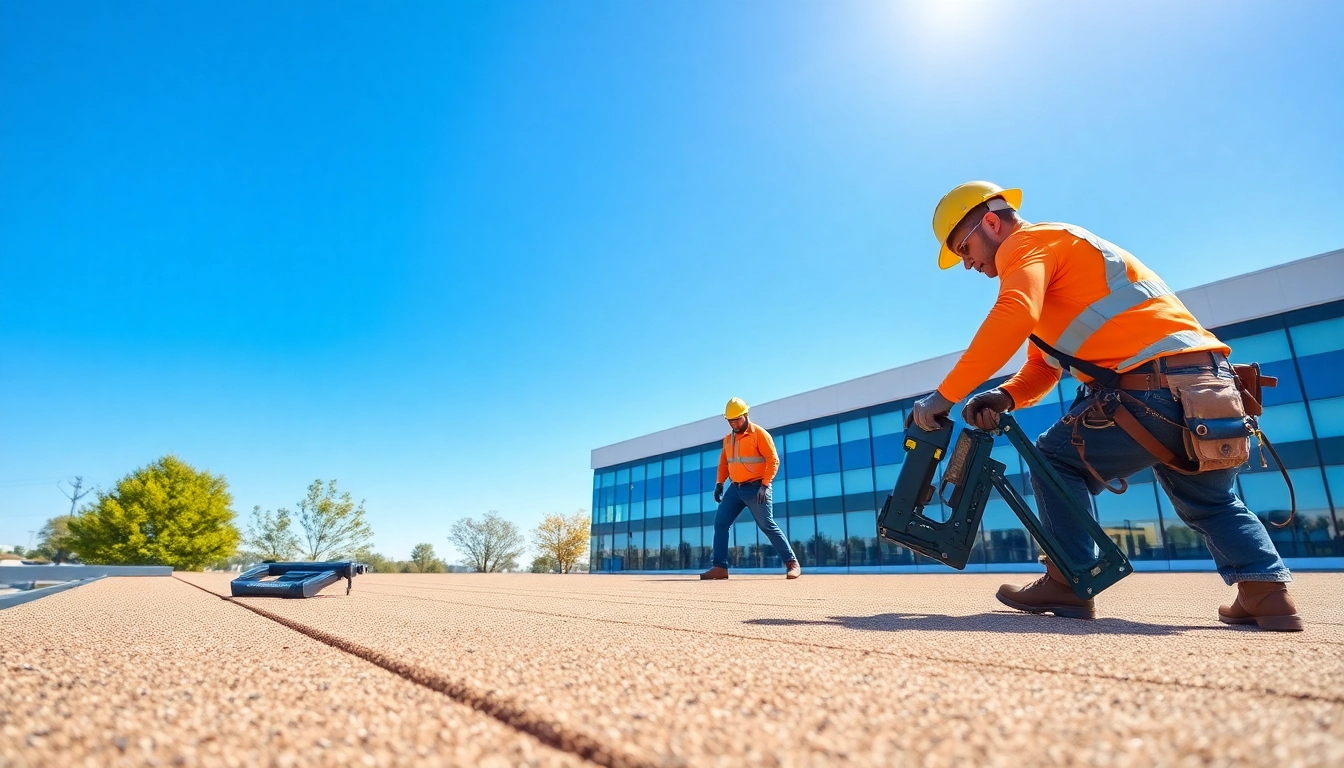
The Importance of Commercial Roofing Services
When it comes to protecting a business investment, the roof is often an afterthought. However, a well-constructed roof is crucial for the sustainability and functionality of commercial properties. This is where commercial roofing services come into play, providing guidance on selecting roofing solutions tailored to business needs, the challenges associated with commercial roofing, and the advantages of professional services.
Understanding Your Business Needs
Each business has unique requirements that influence the type of roofing solutions they need. Understanding your business needs involves considering factors such as the building’s location, size, industry regulations, and potential exposure to environmental hazards. For instance, a warehouse may require a durable roof that can withstand heavy loads, while an office building might prioritize energy-efficient options that enhance insulation and reduce utility costs. Engaging with a professional roofing expert can help clarify these needs and identify the most suitable solutions.
Common Challenges in Commercial Roofing
Commercial roofing comes with specific challenges that require attention. One of the most prevalent issues is weather impact. Extreme conditions such as intense rain, snow, or wind can put significant strain on roofing materials. Additionally, the wear and tear from regular foot traffic, equipment installation, and maintenance procedures can lead to unnecessary damage if not adequately addressed.
Another challenge is the building's age. Older structures may not have been designed with modern materials or sustainability practices in mind, making renovations complex. Businesses must also navigate the regulations and requirements that pertain to commercial roofing. Failure to comply with local building codes can result in legal complications and costly fines.
Benefits of Professional Commercial Roofing Services
Choosing professional commercial roofing services provides numerous benefits. First, professionals come equipped with the necessary skills and expertise to handle the intricacies of commercial roofing installations, which include the use of specialized tools and techniques. They can conduct thorough inspections that identify potential problems before they become severe.
Additionally, professional services often encompass warranties that protect against workmanship defects. These warranties lay the groundwork for ongoing maintenance agreements, ensuring the roof’s longevity and performance over time. With the right contractors, business owners can expect higher roof durability, improved safety for employees and visitors, and enhanced energy efficiency, translating into long-term financial savings.
Types of Commercial Roofing Services Available
Flat Roof Solutions
Flat roofing systems are popular among commercial buildings due to their simplicity and cost-effectiveness. These roofs typically feature materials like TPO, EPDM, or PVC, which provide excellent water resistance and energy efficiency when properly installed. Flat roofs are easier to access for maintenance and repairs compared to pitched roofing systems, making them particularly beneficial for businesses that require roof usage for HVAC systems or rooftop gardens.
Metal Roofing Options
Metal roofing has grown in popularity for commercial applications, primarily due to its durability and longevity. Businesses can choose from various metals, including steel, aluminum, and copper, each offering distinct advantages. Metal roofs are highly resistant to wear and can often withstand harsh environmental conditions, taking on less damage from elements like hail or high winds. Furthermore, they reflect heat, contributing to better energy efficiency for temperature control within the building.
Sustainable Roofing Practices
As environmental awareness grows, more businesses are leaning towards sustainable roofing practices in their commercial roofing decisions. Solutions such as green roofs, solar panels, and reflective roofing materials help reduce energy consumption and improve overall sustainability. Green roofs provide insulation and promote biodiversity, while solar energy solutions can significantly lower utility costs over time, creating a remarkable return on investment. In a world where climate considerations are increasingly paramount, adopting these practices can enhance a company’s reputation and reduce their carbon footprint.
Choosing the Right Commercial Roofing Partner
Key Qualities to Look For
Selecting the right contractor for your commercial roofing needs can be daunting. Start by looking for contractors with experience in commercial projects similar to yours. An ideal contractor will demonstrate a history of completed projects, positive customer reviews, and adequate insurance to protect your property from potential mishaps. Also, consider accreditation from relevant trade associations which underscores their commitment to quality service and ongoing education in roofing technologies.
Questions to Ask Potential Contractors
Engaging potential contractors means preparing questions to assess their qualifications. Inquire about their experience with similar materials and systems. Ask them about their safety practices, ensuring they prioritize a safe working environment for their team and your property. It’s also crucial to discuss their warranty policies and service agreements, as they outline the support you can expect after the project completion.
Understanding Service Contracts and Warranties
Service contracts and warranties are key considerations in commercial roofing agreements. A solid service contract will outline the scope of work, payment terms, and timelines, ensuring that both parties are aligned. Warranties vary, often covering materials, labor, or even incidental damage caused by the installation. Understanding the specifics of these documents is essential to ensure that your interests are protected in the long run.
Maintenance Best Practices for Commercial Roofing
Routine Inspections and Repairs
Regular inspections are an integral part of maintaining a commercial roof. Implementing a schedule for inspections—ideally, twice a year—ensures that any emerging issues are identified and addressed promptly. Inspecting for punctures, leaks, and signs of water pooling helps minimize repair costs and extends the roof's lifespan.
In addition to inspections, performing minor repairs as they arise prevents small issues from escalating into larger, costlier problems. Encourage maintenance teams to report any irregularities to keep the roof in optimal condition.
Seasonal Preparation Tips
Different seasons pose unique challenges for commercial roofing. Preparing for winter involves clearing gutters and downspouts to avoid ice dam formations, while summer might require assessing the roof's surface temperature to prevent damage from UV rays. During fall, it is essential to remove leaves and debris to prevent water buildup that can lead to leaks.
Emergency Response Strategies
Even with the most careful planning, emergencies may still occur. Establishing a clear emergency response strategy is vital. This includes having a dedicated team for immediate repair services and ensuring all employees know safety protocols. Quick responses can prevent further damage and mitigate safety risks.
Measuring the ROI of Commercial Roofing Services
Cost-Benefit Analysis of Different Roofing Types
Conducting a cost-benefit analysis helps businesses determine the best roofing service options based on budget constraints and long-term objectives. While initial costs may vary significantly among roofing types, considering factors such as lifespan, energy efficiency, and maintenance costs is essential. Investing in higher-quality materials may lead to reduced future expenditures.
Long-Term Value and Durability Insights
Durability is a critical factor in measuring ROI for commercial roofing. Understanding the lifespan of various roofing systems provides insights into how often a replacement is needed. Businesses should collect data regarding performance over time, maintenance expenses, and insurance savings to calculate potential ROI scenarios.
How to Evaluate Roofing Performance Over Time
Establishing clear performance metrics is crucial for evaluating roofing efficacy. Metrics may include energy efficiency savings, frequency of maintenance incidents, and overall roof appearance. Regular reviews of these metrics ensure that businesses are getting the expected return on their investments and can modify strategies as needed.