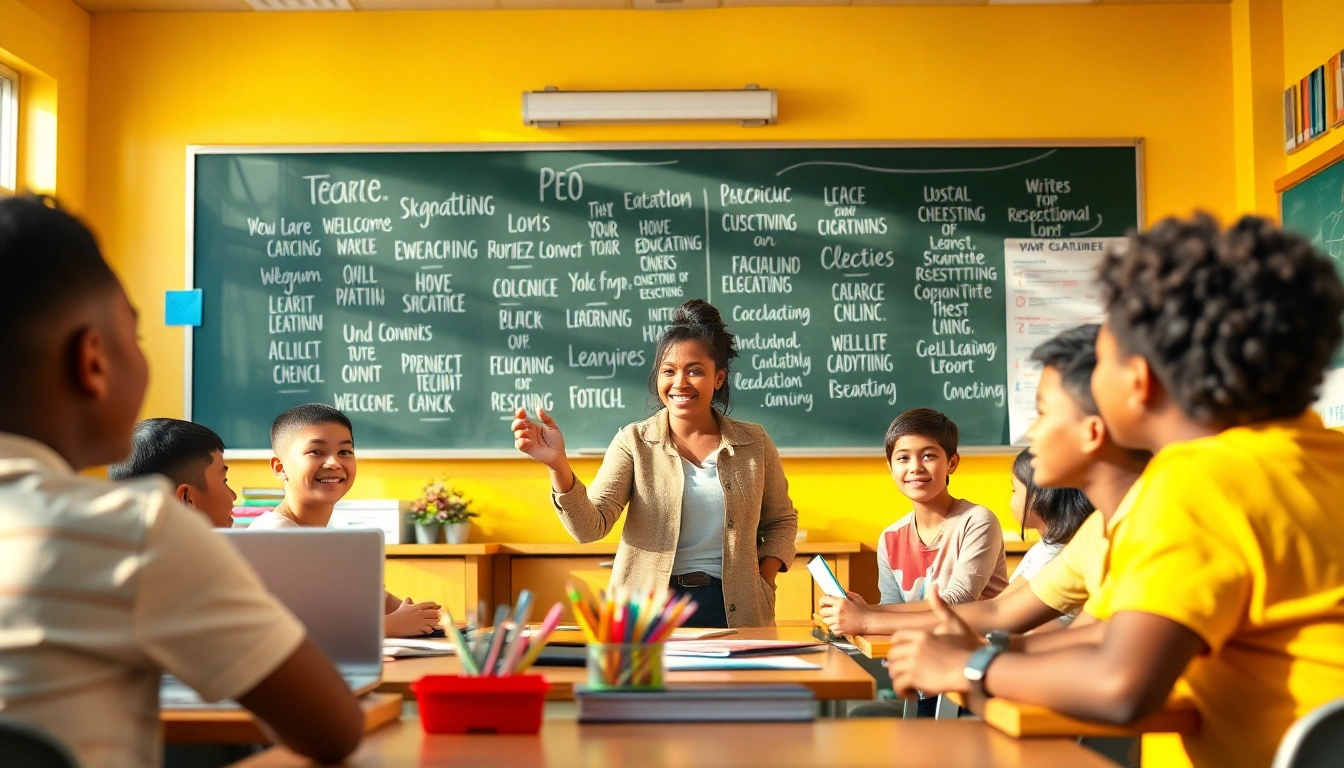
Understanding the Foundations of Education
Education serves as the cornerstone of personal and societal development. It encompasses the transmission of knowledge, skills, and values, playing a crucial role in shaping individuals and communities. More than just a formalized learning process, Education enables individuals to cultivate critical thinking, problem-solving abilities, and social awareness. Understanding the foundations of education is essential for stakeholders engaged in various aspects of teaching and learning.
Defining Education: More than Just Learning
While most people associate education with traditional schooling, its definition extends far beyond classrooms and textbooks. Education is a multifaceted concept that includes informal, non-formal, and formal learning contexts. It encompasses the development of cognitive skills, emotional intelligence, and social competencies. Education is designed not only to impart knowledge but also to cultivate virtues, attitudes, and behaviors that promote well-being and responsible citizenship.
The various forms of education include:
- Formal Education: Structured learning typically provided in schools and universities.
- Informal Education: Learning that occurs outside of a structured curriculum, such as self-directed learning, experiences, and mentorship.
- Non-formal Education: Organized educational activities that take place outside formal systems, such as adult education and community programs.
Understanding these distinctions can help educators and policymakers promote inclusive education systems that cater to diverse learning needs.
The Evolution of Educational Methods
The history of education reveals a continuous evolution influenced by cultural, economic, and technological changes. The ancient Greeks valued rhetoric and philosophy, while the Middle Ages emphasized religious teachings. As societies progressed, educational systems began to focus on empirical knowledge and scientific inquiry.
Key shifts in educational methods include:
- Pedagogical Approaches: Various teaching methodologies have emerged, ranging from classical texts to modern experiential learning.
- Cognitive Science: Understanding how the brain learns has reshaped teaching techniques, promoting active learning strategies.
- Constructivism: This theory posits that learners build knowledge through experiences and interactions.
These shifts highlight the need for adaptability in teaching practices to meet the needs of contemporary learners.
Key Stakeholders in Education
Education is a collaborative endeavor involving multiple stakeholders. Each group plays a pivotal role in shaping educational policies, creating learning environments, and fostering student success. Major stakeholders include:
- Educators: Teachers, professors, and trainers are responsible for delivering education and adapting instruction to meet diverse learner needs.
- Students: The primary recipients of education, students must engage actively in their learning process.
- Parents and Guardians: Family involvement is critical for supporting educational outcomes through encouragement and value for learning.
- Administrators: School leaders and policymakers create frameworks within which educators operate, influencing curriculum, standards, and funding.
- Community and Organizations: Local businesses, non-profits, and government entities contribute resources and support initiatives that enhance educational opportunities.
By recognizing the interplay between these stakeholders, we can foster collaborative approaches that bridge gaps and enhance educational equity.
Modern Challenges in Education
Despite the progress made in education systems around the globe, several challenges persist. Understanding these hurdles is essential for developing effective strategies to address them.
Addressing Inequities in Access to Education
Inequities in education access continue to exist, affecting students from marginalized backgrounds disproportionately. Factors contributing to educational disparities include socioeconomic status, geographic location, and cultural barriers. Advocacy for equitable education demands:
- Policy Innovations: Enacting policies that prioritize funding for low-income schools and facilitating access to quality educational resources.
- Community Engagement: Involving local organizations to support marginalized students through mentorship and resource provision.
- Diverse Curriculum: Creating curricula that reflect various cultural perspectives to engage diverse student populations.
Addressing inequities involves a committed effort from policymakers and educators to create a more just educational landscape.
The Impact of Technology on Learning
Technology significantly influences education. The rise of digital learning tools and resources has transformed traditional teaching practices but also introduced challenges. Benefits of technology in education include:
- Personalized Learning: Adaptive learning platforms allow students to progress at their own pace, tailoring educational experiences to individual needs.
- Access to Resources: Online resources provide students with access to a wealth of information, fostering independent research and critical thinking.
- Collaboration: Technologies enable students to work together across distances, promoting collaborative learning experiences.
However, the digital divide is a pressing issue, as not all students have equal access to technology, which exacerbates existing disparities. Educational institutions must ensure that technology serves as an equalizer rather than a divider.
Maintaining Student Engagement in Diverse Environments
Engaging students in the learning process is a persistent challenge for educators, particularly in diverse learning environments. Factors that can enhance student engagement include:
- Active Learning Strategies: Techniques such as discussion, problem-solving, and peer teaching promote interactive learning experiences.
- Culturally Relevant Teaching: Incorporating students’ cultural backgrounds and experiences into the curriculum fosters a sense of belonging and relevance.
- Real-World Connections: Linking concepts to real-world applications enhances the practical value of education, motivating students to invest in their learning.
Educators must innovate and adapt their methods to better captivate students and promote long-term retention of knowledge.
Innovative Strategies for Enhanced Learning
As education evolves, so does the need for innovative strategies that enhance learning outcomes. The following approaches reflect best practices in modern education.
Integrating Technology into the Classroom
Successfully integrating technology requires thoughtful planning and execution. Educators should consider:
- Training and Support: Providing teachers with adequate training ensures they can utilize technology effectively in their lesson plans.
- Blended Learning Models: Combining in-person instruction with online learning can create more flexible and personalized educational experiences.
- Emphasizing Digital Literacy: Teaching students how to critically assess online information is essential for navigating a digital world.
By embracing technology thoughtfully, educators can enrich their teaching and provide students with essential 21st-century skills.
Project-Based Learning: A Hands-On Approach
Project-based learning (PBL) engages students in practical experiences that encourage critical thinking and collaboration. Effective implementation strategies include:
- Real-World Problems: Designing projects that address authentic challenges can motivate students while providing practical context for learning.
- Collaboration: Encouraging teamwork fosters interpersonal skills and enhances learning through diverse perspectives.
- Reflection: Regular reflection sessions allow students to evaluate their learning and problem-solving processes critically.
PBL not only deepens content knowledge but also equips students with critical life skills that extend beyond the classroom.
Collaborative Learning Techniques
Collaborative learning encourages student interaction and active participation. Proven techniques include:
- Peer Teaching: Allowing students to explain concepts to their peers reinforces their understanding and boosts confidence.
- Think-Pair-Share: This activity encourages students to think independently, discuss with a partner, and share insights with the class.
- Learning Stations: Rotating through stations with different activities enhances engagement and allows for differentiated instruction.
Collaboration cultivates essential social skills, reinforcing the notion that learning is not a solitary endeavor but a community-focused effort.
Performance Metrics in Education
Assessing educational performance is fundamental to improving the quality of learning experiences. A variety of metrics can be employed to gauge both student performance and institutional effectiveness.
Assessing Student Performance Effectively
Effective assessment strategies must encompass a holistic view of student achievement. Key components include:
- Formative Assessments: Ongoing assessments provide immediate feedback and allow for instructional adjustments.
- Summative Assessments: Evaluations at the end of an instructional period measure overall student learning.
- Alternative Assessments: Methods such as portfolios and presentations can provide insights into student understanding beyond standardized tests.
Combining various assessment forms ensures a more comprehensive understanding of student capabilities and learning progress.
The Role of Feedback in Education
Feedback is integral to the learning process. Effective feedback should be:
- Timely: Providing feedback soon after an assessment fosters immediate learning adjustments.
- Specific: Clear and targeted feedback helps students understand their strengths and areas for improvement.
- Actionable: Encouraging students to apply feedback in future tasks promotes growth and learning.
Fostering a feedback-rich environment empowers students to take ownership of their learning journey.
Data-Driven Decisions for Educators
Utilizing data effectively can inform educational strategies and support targeted interventions. By analyzing various data sources such as assessments, attendance, and behavioral metrics, educators can:
- Identify Trends: Recognizing patterns in student performance helps educators adjust strategies proactively.
- Implement Interventions: Data-driven insights can inform tailored interventions for struggling students.
- Enhance Professional Development: Educator performance data can guide training needs and improve instructional quality.
Data serves as a powerful tool for continuous improvement within education systems.
The Future of Education
The landscape of education is constantly evolving, influenced by societal needs, technological advancements, and pedagogical innovations. Understanding emerging trends is crucial for preparing future generations.
Emerging Trends in Educational Practices
Key trends shaping the future of education include:
- Personalized Learning: Advances in technology are making it increasingly viable for educators to tailor instruction to individual learning speeds and styles.
- Global Learning Opportunities: Online education and collaborative projects enable students to connect with diverse cultures and perspectives worldwide.
- Social-Emotional Learning (SEL): There is an increasing recognition of the importance of socio-emotional skills, prompting educational systems to prioritize SEL programs.
These trends reflect the shifting priorities within education, emphasizing adaptability and responsiveness to a global society.
Preparing Students for a Global Economy
As the economy becomes increasingly globalized, equipping students with global competencies is essential. Preparing students includes:
- Cross-Cultural Communication: Teaching students to navigate cultural differences is vital for success in international settings.
- Collaboration Skills: Emphasizing teamwork and collaboration prepares students for diverse workplace environments.
- Critical Thinking: Fostering the ability to analyze information critically and solve complex problems is crucial in an ever-evolving job market.
Educators should prepare students to thrive in a future that values adaptability and innovation.
The Ongoing Importance of Lifelong Learning
The necessity for lifelong learning is growing in response to rapid changes in technology and job demands. Cultivating a mindset of continual growth involves:
- Continuous Professional Development: Encouraging educators to pursue ongoing training ensures they remain current in best practices and emerging technologies.
- Adult Education Programs: Providing access to education beyond traditional-age students fosters a culture of continuous learning within communities.
- Encouraging Curiosity: Instilling a desire for knowledge in students fosters a habit of exploration long after formal education ends.
A commitment to lifelong learning empowers individuals to adapt and thrive in a dynamic world.