
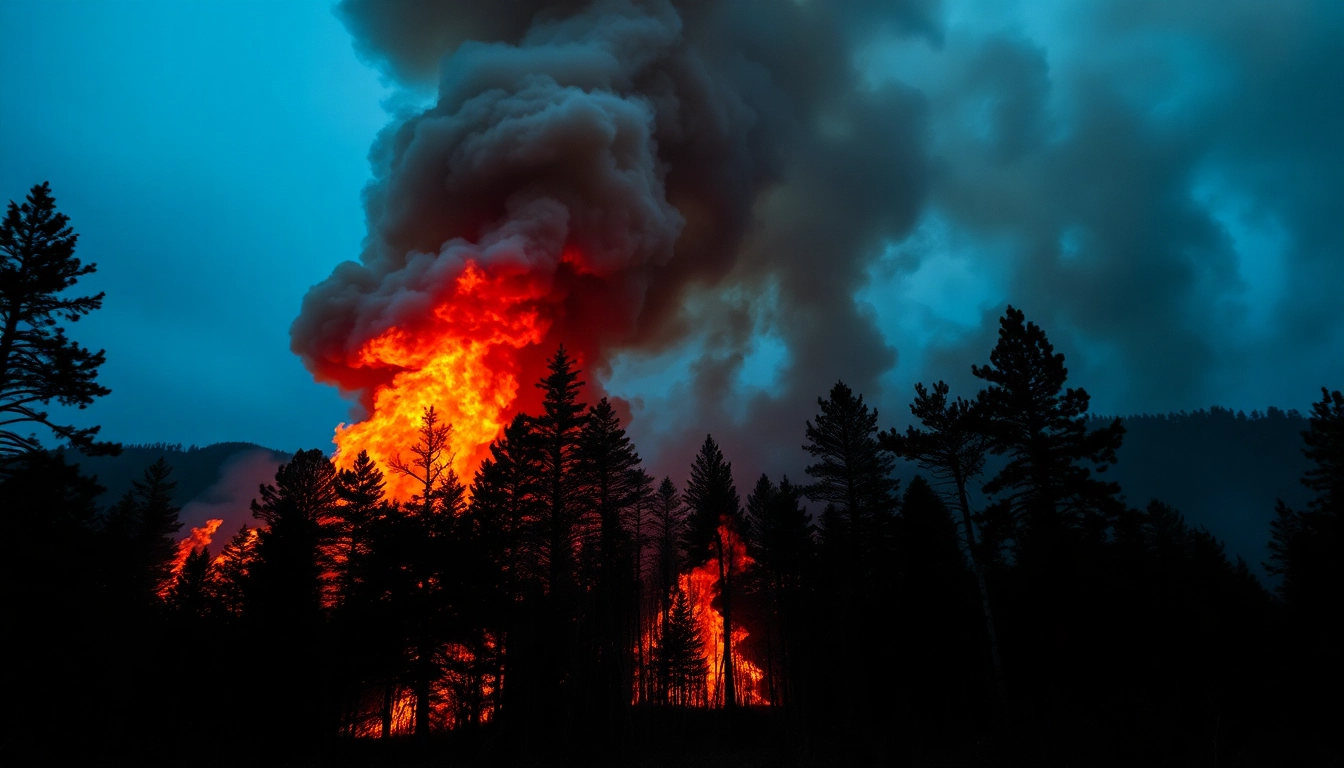
Introduction to Wildfire Events
Everyone has heard the eerie crackling of flames or seen the shadows of a towering inferno, but what do we truly understand about Wildfire events? Wildfires have gained prominence in discussions about climate change and environmental management, transforming from localized hazards into critical global concerns. This article delves into the complexity of wildfire events, exploring their causes, impacts, and strategies for prevention and preparedness.
What Are Wildfire Events?
A wildfire, often referred to as a forest fire or grass fire, is an uncontrolled blaze that occurs in wildland areas, encompassing forests, grasslands, and scrublands. These events can occur due to natural phenomena like lightning strikes or through human actions, including campfires and arson. The resulting fires can vary greatly in scale, from small brush fires to devastating infernos consuming thousands of acres.
Historical Context of Wildfire Events
Understanding wildfire events necessitates looking into their storied history. Significant wildfires have shaped the landscape, ecology, and even the socio-political fabric of numerous regions. For instance, the Peshtigo Fire in 1871, which remains the deadliest wildfire recorded, claimed hundreds of lives in Wisconsin while simultaneous fires raged elsewhere. These historical incidents illustrate the immense destructiveness of wildfires and the longstanding relationship between human activity and fire in the ecosystem.
The Growing Frequency of Wildfire Events
In recent decades, there has been a marked increase in the frequency and intensity of wildfires. Factors contributing to this trend include climate change, prolonged droughts, and an increase in population density in fire-prone areas. Reports indicate that wildfires have become a common occurrence, particularly in regions like California and Australia, prompting immediate discussions on disaster preparedness and response strategies.
Causes of Wildfire Events
Natural Factors Contributing to Wildfire Events
Natural causes of wildfires include lightning, volcanic eruptions, and spontaneous combustion. Lightning strikes are responsible for a considerable percentage of wildfires, particularly in forested areas. These events can ignite fuel sources such as dry leaves, grasses, and trees, rapidly leading to expansive fires. Additionally, drought conditions can reduce moisture levels in vegetation, making it more susceptible to both natural and human-induced ignition.
Human-Induced Causes of Wildfire Events
Human actions significantly contribute to wildfire events, whether through negligence or intentional acts. Common causes include unattended campfires, discarded cigarettes, equipment sparks, and intentional arson. An alarming fact is that a majority of wildfire events in the U.S. are attributed to human activities, underscoring the importance of responsible fire management practices.
Role of Climate Change in Wildfire Events
Climate change exacerbates wildfire risks by increasing temperatures and altering precipitation patterns. Hotter, drier conditions lead to increased evaporation, resulting in more flammable vegetation. Regions previously unaffected by wildfires are now experiencing unprecedented fire activity due to climate shifts. Reports from the World Health Organization emphasize the need for a comprehensive understanding of how climate change influences wildfire behavior.
Impacts of Wildfire Events
Environmental Consequences of Wildfire Events
The environmental impacts of wildfire events are profound and multifaceted. Ecosystems can suffer extensive damage, with loss of biodiversity, alteration of habitats, and soil degradation being common consequences. Fire can strip away protective vegetation, leading to increased soil erosion and affecting water quality in nearby streams and rivers. Recovering from such damage can take years or even decades.
Health Effects Related to Wildfire Events
Wildfires pose significant health risks to communities due to smoke inhalation, which can exacerbate respiratory conditions such as asthma and lead to cardiovascular problems. The World Health Organization has highlighted the health implications of exposure to wildfire smoke, including increased hospitalizations and public health challenges. Vulnerable populations, such as children and the elderly, are particularly at risk during wildfire events.
Economic Impact of Wildfire Events
The economic repercussions of wildfire events are staggering. Costs associated with firefighting efforts, property damage, and loss of livelihood can total billions. Communities faced with the aftermath of wildfires often endure long-term economic struggles, including decreased property values and loss of tourism. Understanding these economic impacts is crucial for developing effective policies and preparation strategies.
Prevention and Preparedness for Wildfire Events
Best Practices for Wildfire Events Prevention
To minimize the risk of wildfire events, various strategies have been developed. Key best practices include creating defensible spaces around properties, implementing controlled burns, and utilizing fire-resistant landscaping. Public awareness campaigns also play a pivotal role in educating communities about the importance of fire safety and responsible behaviors that can significantly reduce ignition risks.
Community Preparedness for Wildfire Events
Communities must develop comprehensive fire management plans, including evacuation routes, firebreaks, and emergency communication systems. Engaging local residents in fire preparedness efforts through drills and education can foster a community culture of resilience. Collaboration between governmental agencies, non-profits, and local stakeholders is crucial for effective wildfire preparedness initiatives.
Governmental Policies on Wildfire Events
Governments worldwide have instituted policies addressing wildfire management. These policies often include funding for fire prevention measures, regulations on land use, and support for emergency response resources. Continuous adaptation and updates to these policies in light of changing climate conditions and emerging technologies are critical to safeguard communities against wildfire threats.
Case Studies of Significant Wildfire Events
Analysis of Recent Wildfire Events
Several high-profile wildfire events in recent years offer lessons in both successful strategies and failures in wildfire management. For example, California’s catastrophic fires have prompted scrutiny of forest management practices, prompting changes to logging regulations, and fire response tactics. Each event serves as a case study for understanding the dynamic nature of wildfire events and the lessons they impart.
Lessons Learned from Historical Wildfire Events
Historical wildfires provide invaluable insights for current and future management strategies. The lessons learned from events like the Peshtigo Fire or the Great Fire of 1910 illuminate the importance of fire science, storage of flammable materials, and the development of effective response plans. Reviewing the past can guide present actions and foster improved preparedness strategies.
Technology and Innovation in Managing Wildfire Events
Technological advancements are revolutionizing wildfire management. Employing drones for surveillance, using remote sensing for assessing fire spread, and GIS mapping for planning evacuations are just a few examples. Innovations in fire-resistant materials and construction techniques have also contributed to reducing risks. Utilizing technology effectively enhances response capabilities and community resilience against wildfire events.
Frequently Asked Questions
What are the main causes of wildfires?
The main causes of wildfires include natural causes, such as lightning, and human actions like unattended campfires, discarded cigarettes, and arson.
How does climate change affect wildfires?
Climate change leads to increased temperatures and altered precipitation, making vegetation drier and more flammable, thus heightening wildfire risks.
What health risks are associated with wildfires?
Wildfires expose populations to harmful smoke, which can cause respiratory issues, exacerbate existing health conditions, and lead to cardiovascular problems.
How can communities prepare for wildfires?
Communities can prepare by developing fire management plans, conducting drills, and educating residents about evacuation routes and fire safety measures.
What are some best practices for wildfire prevention?
Best practices include creating defensible space, conducting controlled burns, using fire-resistant landscaping, and raising public awareness about fire safety.